Most Popular Online Casinos Among Streamers (and Why)
In recent years, live streaming platforms have seen a surge in content where streamers gamble on online casino games in front of their audiences. This trend has become highly popular, with thousands of viewers regularly watching their favorite internet personalities play slot machines, roulette, poker, and other casino games in real time. The combination of interactive streaming entertainment with high-stakes gambling has created a new phenomenon that blurs the line between gaming and betting, raising both excitement and controversy.
This report explores which online casinos have become especially popular among streamers and examines the reasons behind their popularity. It delves into the emergence of gambling streams, highlights the most prominent casino platforms featured by streamers, and discusses why these platforms are attractive to content creators. The report also addresses the controversies surrounding this trend and how streaming platforms have responded.
Popular Online Casinos Among Streamers
Casino Streamer Market Share
Most Popular Platforms 2026
Several online casino platforms gained notoriety and popularity due to their frequent appearances on streaming channels. Streamers often form partnerships or sponsorships with these casinos, effectively turning their gambling sessions into sponsored content. Some of the most prominent online casinos featured in streaming content include:
1. Stake.com
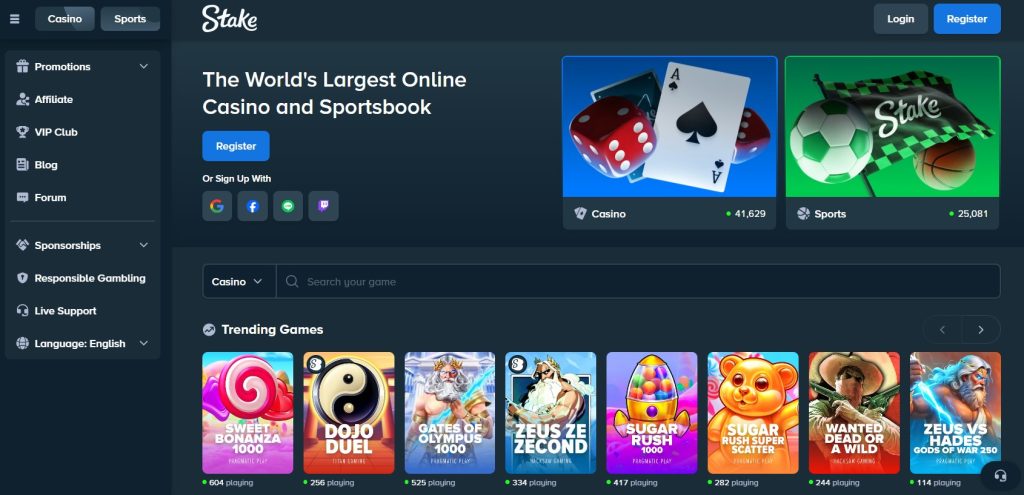
A leading cryptocurrency casino that became one of the most recognized names in streaming circles. Stake is known for sponsoring many top gambling streamers. It provides a wide range of casino games and sports betting, and it reportedly offers streamers large financial deals and funds to gamble with on stream. Stake’s aggressive marketing through popular streamers and even celebrities has made it synonymous with the gambling stream trend.
2. Roobet
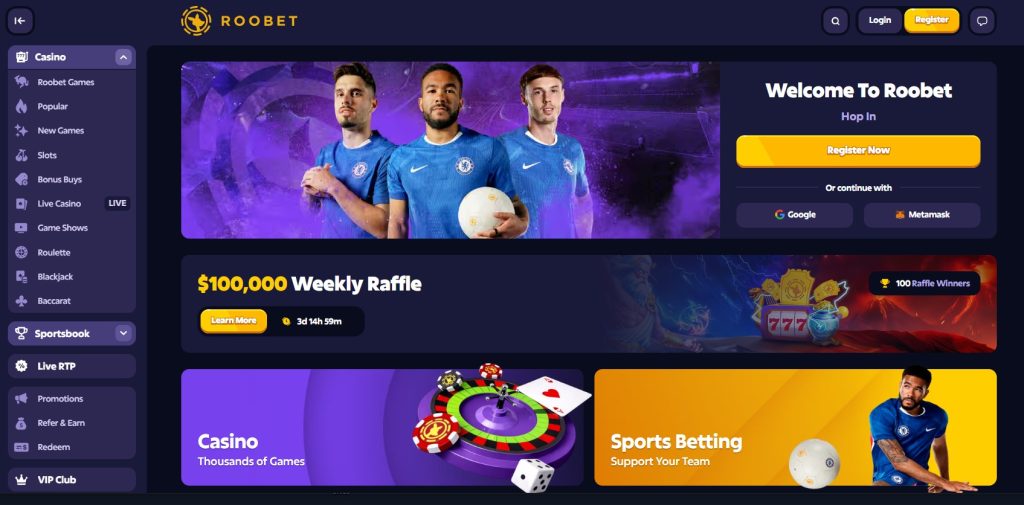
Another crypto casino that rose to prominence through streamer partnerships. Roobet gained popularity on Twitch when several influencers featured its games and hosted sponsored sessions. The platform offers slots and table games with a playful branding, and it attracted viewers by collaborating with well-known content creators and occasionally offering special promotions or giveaways during streams.
3. Duelbits
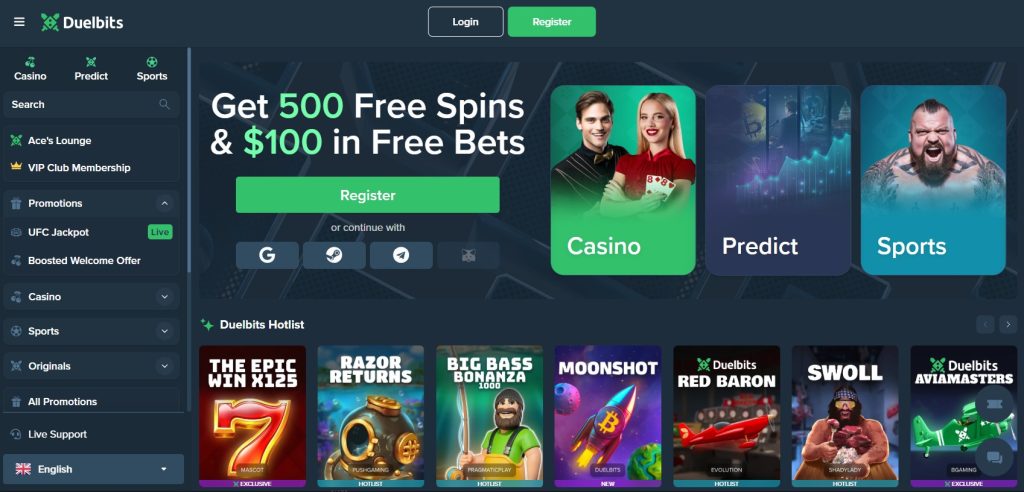
A cryptocurrency gambling site that entered the streaming scene by securing deals with content creators. Duelbits drew attention after reports that it had offered exceptionally lucrative monthly sponsorships to certain streamers willing to showcase its slot games. By having popular streamers play on its platform, Duelbits quickly became a familiar name to viewers of casino streams.
4. Rollbit
An online casino known for its slot and roulette offerings, Rollbit also became notable among streamers. Prior to platform restrictions, a number of Twitch streamers played on Rollbit, helping it gain traction. It was later one of the sites explicitly prohibited on Twitch due to licensing and regulatory concerns, but in the period before that ban, Rollbit had already built a presence through streamer-driven exposure.
5. BC.Game
A crypto casino platform that also saw usage by gambling streamers. BC.Game offers a variety of casino games and an interactive community experience. It attracted streamers in part by running affiliate programs and sponsoring live gambling content. Like other crypto casinos, its inclusion in streams introduced the site to a broad audience worldwide.
6. Shuffle
A newer crypto casino that launched in 2023 and also attracted attention in the streaming community. Shuffle features a large library of games and even offers its own cryptocurrency token for player rewards. It quickly claimed tens of thousands of users and saw billions of bets placed within its first year, growth fueled in part by aggressive promotions and the overall popularity of crypto gambling streams.
Why These Casinos Are Popular Among Streamers
Streamers have strong incentives to partner with and play on these particular online casinos, beyond just enjoying the games themselves. The popularity of these casinos among content creators can be attributed to several key factors:
- Lucrative Sponsorship Deals: Online casinos (especially crypto casinos) offer very lucrative sponsorships to entice streamers. Top streamers have reportedly been paid massive sums – in some cases tens of thousands of dollars per hour or multi-million dollar contracts – to showcase casino gameplay on their channels. These sponsorship deals provide streamers with significant income, making it financially appealing to focus on gambling content.
- Affiliate Earnings and Commissions: Many casino sites run affiliate programs that reward streamers for bringing in new players. Streamers share referral links or bonus codes with their audience, and when viewers sign up and gamble, the streamer earns a commission (often a percentage of the money those viewers wager or lose). This means streamers can continue to earn passive income from their viewers’ betting activity, on top of any upfront sponsorship fees. The prospect of ongoing revenue through referrals is a big reason streamers promote these casinos heavily.
- High Viewer Engagement: Gambling content tends to be very engaging for viewers due to its unpredictable, high-stakes nature. Big wins, big losses, and the streamer’s candid reactions create drama and excitement that can keep an audience hooked. Streamers often see their viewer numbers increase during casino streams, as people tune in for the thrill and entertainment value. Higher viewership not only boosts a streamer’s ad revenue and channel growth, but also makes them more attractive to sponsors, creating a virtuous cycle.
- House Money and Lower Personal Risk: In many cases, casinos provide streamers with free credit or funds to gamble with. This means the streamer is not typically risking their own money during these sponsored gambling sessions. Having their bankroll supplied by the sponsor allows them to place large bets and play for extended periods without fear of personal financial loss. This ensures the content remains exciting (with high wagers and continuous play) and that the streamer can keep going even after big losses, since the casino may replenish their account. It’s a win-win arrangement: the streamer gets content and compensation, while the casino gets prolonged exposure on the stream.
- Global Easy Access via Cryptocurrency: The casinos popular on streams are crypto-based, which allows a global audience to participate or relate. Using cryptocurrency bypasses many regional restrictions and banking limitations, so streamers and viewers from different countries can access the same platform. For streamers, this means they can gamble online even if online casinos are not legally available in their home country, simply by using these crypto platforms (often via a VPN). The ease of deposits and withdrawals in crypto, and the anonymity it can provide, make it practical for streamers to use these sites as part of their content.
- Exclusive Events and Promotions: Some online casinos collaborate with streamers to host special events, challenges, or high-profile group streams that draw extra attention. For example, casinos have organized joint livestreams featuring multiple famous streamers (and even celebrities like music artists) gambling together on the same platform. These exclusive events generate buzz on social media and attract large viewer counts. Streamers are eager to participate in such events because it boosts their visibility and often comes with additional financial perks, while the casinos benefit from a surge of new sign-ups and heightened engagement.
The Rise of Gambling Streams
Gambling-focused live streams first rose to prominence on major platforms like Twitch in the late 2010s and early 2020s. Early adopters began sharing their online casino gameplay with live audiences, and before long, the concept gained traction. By 2021, the “slots” category on Twitch – where streamers broadcast slot machine and casino game sessions – had exploded in popularity. Some streamers were regularly drawing tens of thousands of concurrent viewers who were fascinated by the thrill of big wins and dramatic losses unfolding live on screen.
This boom in gambling streams was fueled in large part by the emergence of cryptocurrency-based online casinos. These crypto casinos operate offshore and allow users to wager with digital currencies like Bitcoin and Ethereum. Because they are accessible globally (often even in regions where online gambling is restricted, via the use of VPNs), they rapidly found an audience through streaming. The global reach and 24/7 availability of crypto casinos meant that popular streamers could gamble online at any time, tapping into an international fanbase and driving the trend’s rapid growth.
Controversies and Platform Responses
Despite its popularity, the trend of casino streaming has been met with significant controversy. Critics argue that these streams effectively advertise gambling to potentially vulnerable audiences, including minors. Major streaming platforms have a young user base (for instance, a portion of Twitch’s audience is under 18), and exposing viewers to the allure of easy money through gambling can be problematic. There have been instances of viewers – some of them teenagers or young adults – reporting large financial losses after being influenced by watching their favorite streamers gamble. This has raised ethical concerns about encouraging reckless gambling behavior and normalizing it as a form of entertainment.
Streaming platforms have had to react to these concerns. In late 2022, Twitch announced a ban on streaming certain unlicensed online casinos that were frequently showcased by creators. The ban specifically targeted crypto casinos such as Stake, Roobet, Duelbits, and Rollbit, which were operating without proper licenses in many jurisdictions. This policy change came after backlash and public pressure to address the potential harms of gambling streams. Following the ban, some content creators pivoted away from high-risk casino content on Twitch or switched to other types of gambling (like regulated sports betting) that were still permitted under the new rules.
However, the demand for gambling content and the lucrative nature of casino sponsorships led to the emergence of alternative platforms. In 2023, a new streaming platform called Kick was launched with backing from the founders of Stake.com. Kick positioned itself as a more lenient alternative to Twitch, explicitly allowing gambling streams. It quickly attracted many of the displaced gambling streamers. In a notable example of the scale of investment in this space, the popular streamer Felix “xQc” Lengyel signed a multi-year exclusive deal with
Kick reportedly worth around $100 million. By moving to platforms like Kick, streamers could continue their casino streams without the restrictions they faced on Twitch, and casinos could keep benefiting from the exposure.
Another concern has been the transparency of these gambling streams. Often, when streamers gamble on sponsored online casinos, they are playing with money provided by the casino, and any large “winnings” may not end up being the streamer’s personal profit. In other words, the streamer faces little real financial risk, which is not always made clear to the audience. Critics say this creates a misleading impression that encourages viewers to try gambling themselves, expecting similar easy rewards without understanding the real odds and risks involved. Some streamers have spoken out about these issues or even stepped away from gambling sponsorships due to moral reservations. The community continues to debate the responsibility of influencers when it comes to promoting gambling and the need for greater transparency in this content.
Conclusion
The phenomenon of online casino streaming demonstrates the powerful intersection of internet entertainment and gambling. From the casinos’ perspective, working with streamers has proven to be an extremely effective marketing strategy, driving large numbers of new players to their platforms. For streamers, casino sponsorships and affiliate programs have opened up a highly lucrative income source, albeit one fraught with ethical dilemmas. The popularity of these online casinos among streamers is a result of strong financial incentives and viewer demand, but it has forced platforms and communities to grapple with difficult questions about regulation, age-appropriateness, and the influence of content creators on audience behavior.
The landscape continues to evolve. Traditional platforms like Twitch have drawn a line by restricting certain gambling content, while newer platforms like Kick have embraced it. Regulators and society at large are also increasingly scrutinizing the relationship between online influencers and gambling promotion. Ultimately, the trend of streamers playing online casinos is likely to persist as long as there is a willing audience and significant money involved. The ongoing challenge will be finding a balance between entertainment, personal responsibility, and protecting viewers from harm as the worlds of streaming and online gambling remain intertwined.